Column · @dallascugf397
Brain Injury Lawyer Denver for Rideshare Accident Head Injury Claims
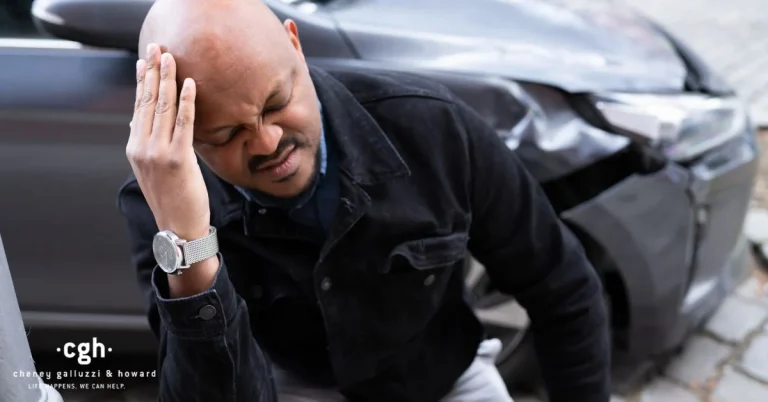

A rideshare crash looks ordinary from the outside. A dented bumper, a rattled passenger, a driver insisting everyone is fine. Then the headache starts. Hours later, words come slowly, light feels sharp, balance slips, and a trip that should have ended at the curb turns into weeks of neurological symptoms, specialist visits, missed work, and hard questions about who is actually responsible.
That is where a Brain Injury Lawyer Denver can become essential, especially in rideshare cases. Head injury claims tied to Uber, Lyft, and similar services are rarely simple car accident files. They often involve layered insurance policies, app status disputes, recorded statements, incomplete emergency room notes, and an injury that may not show up cleanly on an initial scan. The legal and medical issues tend to develop together. If either side is mishandled early, the value of the claim can drop fast.
The central problem is this: traumatic brain injuries are real, disruptive, and expensive, but they are often underestimated in the first days after a collision. In rideshare accidents, that underestimation can collide with a claims process already designed to challenge causation, severity, and long-term impact.
Why rideshare head injury claims are different
A standard two-car collision already has enough friction. Add a rideshare company, a driver using a personal vehicle, an app tracking system, and several possible insurance carriers, and the claim changes character.
The first complication is timing. A rideshare driver may be off the app, waiting for a ride request, driving to pick up a passenger, or actively transporting one. Each phase can affect which insurance policy applies and how much coverage may be available. That matters in any injury case, but it matters even more when a claimant has a suspected concussion, post-concussive symptoms, or a more serious traumatic brain injury. Neurological care can become expensive quickly. Imaging, neuropsychological testing, vestibular therapy, occupational therapy, follow-up neurology, and wage loss can push damages far beyond what a routine bodily injury adjuster expects.
The second complication is proof. Brain injuries do not always announce themselves with dramatic findings in the emergency department. Many people with legitimate head trauma are discharged the same day with instructions to rest and monitor symptoms. Adjusters know that. Defense lawyers know that. They will often treat a normal CT scan as if it settles the issue, even though mild traumatic brain injuries frequently involve functional impairment without obvious acute imaging findings.
The third complication is perception. A broken bone looks serious. A person struggling with memory, headaches, fatigue, sound sensitivity, irritability, or slowed processing may look fine in a brief conversation. That gap between appearance and impairment drives many disputes in head injury claims.
The crash itself may be over in seconds, but the brain injury claim rarely is
Rideshare collisions in Denver happen in predictable places and predictable ways. Downtown pickups create distracted stopping patterns. Airport runs lead to fatigue, navigation errors, and lane changes made under pressure. Nightlife districts bring impaired third-party drivers into the mix. Winter roads add a layer of force and unpredictability that often turns a “minor” crash into a medically significant one.
A passenger in the back seat is particularly vulnerable to unusual movement in a side impact or sudden rear-end crash. The head can strike a window, door frame, seat back, or simply whip hard enough to trigger concussive symptoms. Even when there is no direct blow, rapid acceleration and deceleration can produce neurological complaints that persist.
People often make one early mistake that later hurts both recovery and the claim. They assume that because they walked away, they escaped serious harm. Adrenaline hides a lot. So does shock. A rideshare passenger may go home, sleep badly, wake up nauseated, and still wait another day or two before seeking care. That delay becomes a line item in the insurer’s denial strategy. It should not, but in practice it often does.
What a brain injury looks like after a rideshare accident
Not every head injury is catastrophic. Many are classified as mild traumatic brain injuries, but “mild” is a medical term, not a description of how the injury feels in real life. A person can have a mild TBI and still struggle for months with concentration, headaches, noise sensitivity, executive function problems, and emotional volatility.
The symptoms also evolve. A person may first complain of neck pain and only later notice that reading emails has become slow and exhausting. Someone in a management role may return to work quickly, only to realize during meetings that memory and processing speed are off. Parents often notice the change in the evening, when the injured person becomes unusually irritable, forgetful, or depleted.
In more serious cases, the signs are unmistakable. Loss of consciousness, vomiting, severe confusion, seizure activity, slurred speech, focal weakness, and prolonged disorientation raise the stakes immediately. But a strong legal claim does not require a dramatic emergency scene. Many valid brain injury cases are built through careful documentation of symptoms, treatment response, and functional losses over time.
A skilled Brain Injury Lawyer Denver usually understands that the claim cannot be built from the police report alone. It has to be developed from the medical timeline, the daily impact, and the practical consequences that follow the crash.
Early medical care shapes the legal case more than most people realize
The first week matters. Not because every important fact is discovered immediately, but because the record starts forming right away. Emergency notes, urgent care notes, primary care follow-up, neurology referrals, and therapy evaluations all become part of the narrative insurers use to assess credibility and causation.
Doctors are busy. Charts can be brief. If a patient says, “I’m mostly okay, just sore,” that may become the headline even if headaches and confusion worsen later. It is one reason lawyers handling brain injury cases often encourage clients to be precise, consistent, and thorough with providers. Not dramatic, just accurate. If the patient is forgetting words, sleeping twelve hours, losing track of appointments, or becoming light-sensitive in grocery stores, those details belong in the chart.
Good legal representation does not interfere with medical treatment. It protects it. The right lawyer usually pushes for complete records, helps spot gaps in documentation, and understands when specialist input matters. In some claims, a Brain Injury Lawyer Denver cghlawfirm.com neuropsychological evaluation becomes one of the most important pieces of evidence because it translates subjective complaints into measurable deficits.
Liability is only half the battle
A rideshare case can involve several versions of “what happened.” The rideshare driver may blame a third-party driver. The third-party driver may claim the rideshare vehicle stopped suddenly or turned unpredictably. There may be app data, GPS records, vehicle telematics, or dash camera footage, but those items are not always preserved automatically or produced voluntarily.
Denver traffic scenes also create witness problems. Pedestrians disappear. Tourists leave town. Passengers are on their phones. Police may write a concise report without exploring every angle. When liability is contested, evidence collection has to begin early.
A lawyer handling this kind of case is not just negotiating a bill total. The lawyer is trying to establish a coherent chain of proof: the crash happened in a certain way, the head injury followed from that crash, the symptoms are medically consistent, the treatment is reasonable, and the losses are real.
That chain gets attacked at multiple points. The insurer may say the collision was too minor. It may point to a prior concussion from years earlier. It may argue the claimant returned to work too soon to be seriously injured. It may suggest that anxiety, not brain trauma, explains the symptoms. In truth, these cases often involve overlap. A concussion can trigger anxiety, sleep disruption, and emotional strain. Those responses do not disprove the injury. They often confirm how disruptive it has been.
The insurance structure in rideshare claims can get messy fast
One reason people search for a Brain Injury Lawyer Denver after an Uber or Lyft crash is that they quickly realize nobody is giving them a clear roadmap. The rideshare company may direct them to a claims portal. The driver’s personal insurer may reserve rights. Another carrier may step in if a different vehicle caused the impact. Medical bills keep arriving while coverage questions remain unresolved.
Here is where the legal work becomes technical. The operative issue is often which policy was in effect at the exact time of the crash and how those policies Brain Injury Lawyer Denver interact. If the rideshare driver was carrying a passenger or actively en route to one, different coverage may be implicated than if the driver had the app on but had not accepted a fare. That distinction can dramatically affect the size of the recoverable insurance pool.
This matters because brain injury damages can exceed what people expect. A few emergency bills are one thing. Months of treatment, missed income, diminished earning capacity, and long-term cognitive symptoms are something else entirely.
The most common categories of loss in a serious head injury claim include:
- Medical expenses, both current and reasonably expected in the future
- Lost wages and loss of earning capacity
- Pain, suffering, and loss of normal life activities
- Rehabilitation costs, including cognitive, vestibular, and occupational therapy
- Out-of-pocket losses tied to transportation, medication, and care needs
That list looks straightforward, but valuation is not. A salaried professional who can still technically work while performing at a reduced level may have a harder loss to quantify than someone with an obvious wage interruption. A self-employed person may not have clean payroll records. A college student may face delayed graduation rather than immediate lost income. Brain injury claims require judgment because the damage does not always fit neatly into a spreadsheet.
Why documentation matters more than people expect
The strongest brain injury claims are rarely the loudest. They are the best documented. Consistency beats drama. If a claimant reports headaches, word-finding trouble, and screen intolerance for six months across multiple providers, that pattern has weight. If family members, coworkers, or supervisors observe changes in memory, pace, mood, or stamina, those observations can matter too.
Practical evidence often carries surprising force. A calendar showing missed appointments because the injured person forgot them. Email revisions taking three times longer than before the crash. A reduction in caseload. Needing naps during the day. Avoiding driving at night because overstimulation triggers symptoms. These are not abstract complaints. They are functional losses.
Many lawyers also look closely at the client’s pre-injury baseline. A high performer with a stable work history, active routines, and no meaningful neurological complaints before the collision can present a clear before-and-after picture. That kind of story resonates because it is concrete.
On the other hand, not every claimant arrives with a clean medical history. Some have prior migraines, ADHD, anxiety, or earlier concussions. That does not destroy the case. It simply means the lawyer has to separate preexisting issues from crash-related aggravation. In practice, aggravated conditions are common and compensable, but they must be handled carefully and honestly.
What to do in the days after a rideshare head injury
The best next steps are usually practical, not complicated. A rushed or disorganized start can create avoidable problems later, both medically and legally.
If there are signs of head trauma after a rideshare collision, these actions usually help:
- Seek prompt medical evaluation, especially for headache, confusion, nausea, dizziness, memory lapses, or light sensitivity
- Report the crash through the rideshare app and keep screenshots of any trip details or correspondence
- Avoid giving detailed recorded statements to insurers before understanding the injury and the coverage issues
- Preserve evidence, including photos, discharge instructions, receipts, and notes about symptoms day by day
- Speak with a lawyer early if symptoms persist beyond the first few days or bills and work loss begin to mount
This is not about becoming litigious. It is about protecting a claim before the paperwork hardens around an incomplete version of events.
The role of a lawyer in a Denver brain injury rideshare case
A good lawyer does more than send a demand letter. In these cases, counsel often acts as the organizer of a complicated factual and medical record. That includes collecting crash evidence, sorting out applicable insurance, obtaining complete medical records, identifying missing treatment connections, and presenting the injury in a way that non-medical decision-makers can understand.
In Denver, local experience matters for another reason. Lawyers who regularly handle motor vehicle and head injury claims in the area tend to know how certain providers chart symptoms, how local insurers evaluate concussive injuries, and where defense arguments usually appear. They also understand the rhythms of local litigation if the case cannot be resolved informally.
A seasoned Brain Injury Lawyer Denver will usually pay attention to issues that less focused lawyers miss. Was the client discharged too quickly with incomplete symptom notation? Did the primary care follow-up happen late because the claimant could not get an appointment? Is there a need for vocational analysis if the person can work only with accommodations? Was there a prior head injury that requires a careful apportionment discussion rather than avoidance?
Those details often determine whether a claim settles fairly or gets minimized.
Settlement value is not a formula
Clients often ask what the case is worth in the first consultation. The honest answer is that brain injury claims are highly fact-specific. Two passengers can ride in the same Uber, experience the same collision, and have very different outcomes. One may recover in three weeks. The other may spend a year dealing with headaches, blurred concentration, and reduced work tolerance.
Several variables tend to move value significantly. Severity and duration of symptoms matter. Objective support in the medical record matters. Liability clarity matters. Available insurance limits matter. The claimant’s age, occupation, and pre-injury baseline matter. Whether the injury has disrupted promotions, licensing exams, parenting duties, or career trajectory can matter a great deal.
The hardest cases are often the middle cases, not the catastrophic ones. Severe traumatic brain injuries are devastating, but the damages are obvious. Minor soft tissue cases are limited, but straightforward. The contested moderate-consequence concussion case is where skilled lawyering often makes the biggest difference. That is the case where the claimant is not hospitalized for weeks, yet life still changes in ways insurers resist paying for.
Common defense themes in rideshare brain injury claims
Most insurers do not deny every claim outright. They narrow them. They look for pressure points. In head injury cases, the usual themes repeat with remarkable consistency.
A common one is delay. If treatment did not begin immediately, the insurer argues the symptoms were unrelated or exaggerated. Another is minimal vehicle damage. If the property damage photos look modest, the carrier suggests the human body could not have been significantly hurt. A third is normal imaging. If no bleed or fracture appears, the carrier treats the absence of dramatic findings as proof of full recovery. A fourth is prior history. Old headaches, anxiety, sports concussions, or learning differences get pulled into the analysis and often overstated.
An experienced lawyer anticipates these themes and addresses them directly. The response is not outrage. It is evidence. Medical explanation, symptom chronology, credible witnesses, work records, and disciplined presentation usually beat rhetoric.
Choosing the right lawyer for this kind of case
Not every personal injury lawyer is comfortable with traumatic brain injury work. The files are labor-intensive, the medicine is nuanced, and the damages may take time to mature. That does not mean only a large firm can handle the claim. It does mean the lawyer should be able to explain, in plain language, how they approach both rideshare insurance issues and brain injury proof.
Ask practical questions. Have they handled concussion or TBI cases before? Do they understand how rideshare coverage shifts with app status? How do they document cognitive losses when the client is still working? What happens if symptoms persist longer than expected? Will they build the case for negotiation only, or are they prepared to litigate if the offer is not fair?
Good answers tend to be specific. Vague confidence is not enough.
The human side of these claims is easy to overlook
The legal file may say “mild TBI.” The household experiences something else. A spouse notices shorter patience. A parent notices the injured person no longer helps with homework because reading triggers headaches. A worker who once handled ten tasks at once now needs silence to complete one. None of that sounds cinematic. All of it is costly.
That is why these cases deserve careful handling from the start. A rideshare accident is already an unusual claims environment. Add a brain injury, and the gap between what happened and what an insurer wants to recognize can grow quickly. Legal help matters most when it translates that gap into evidence a claims adjuster, mediator, or jury cannot easily dismiss.
For people in Denver dealing with post-crash headaches, concentration problems, dizziness, memory trouble, or more serious neurological issues after an Uber or Lyft collision, the right next step is usually not to “wait and see” forever. It is to get evaluated, document the changes honestly, and speak with counsel who understands both the medicine and the insurance architecture behind rideshare injury cases.
A Brain Injury Lawyer Denver is not there to manufacture a claim. The real job is narrower and more important than that. It is to make sure a legitimate head injury is taken seriously, valued fairly, and connected to the crash that caused it before the record tells a smaller story than the truth.
CGH Injury Lawyers
Address: 2701 Lawrence St Ste 201, Denver, CO 80205
Phone number: +17206698062
FAQ About Brain Injury Lawyer Denver
What to avoid after brain injury?
After a brain injury (such as a concussion or traumatic brain injury), protecting your brain from physical, mental, and chemical stress is critical to proper healing.
What is a brain injury lawyer?
A brain injury lawyer (or Traumatic Brain Injury / TBI lawyer) is a personal injury attorney who represents individuals who have suffered concussions, contusions, hemorrhages, or other forms of brain trauma caused by someone else's negligence, recklessness, or intentional harm.
Can traumatic brain injury be cured?
A traumatic brain injury (TBI) cannot be strictly "cured" in the sense of reversing permanent cell death or restoring the brain to its exact pre-injury state. However, the brain possesses a remarkable ability to heal and adapt.